


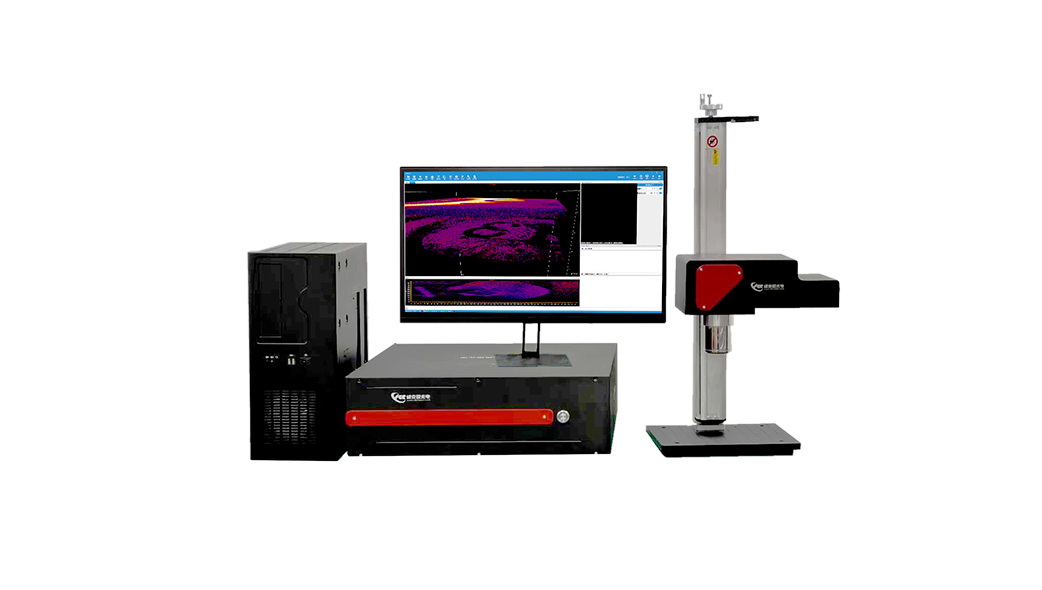
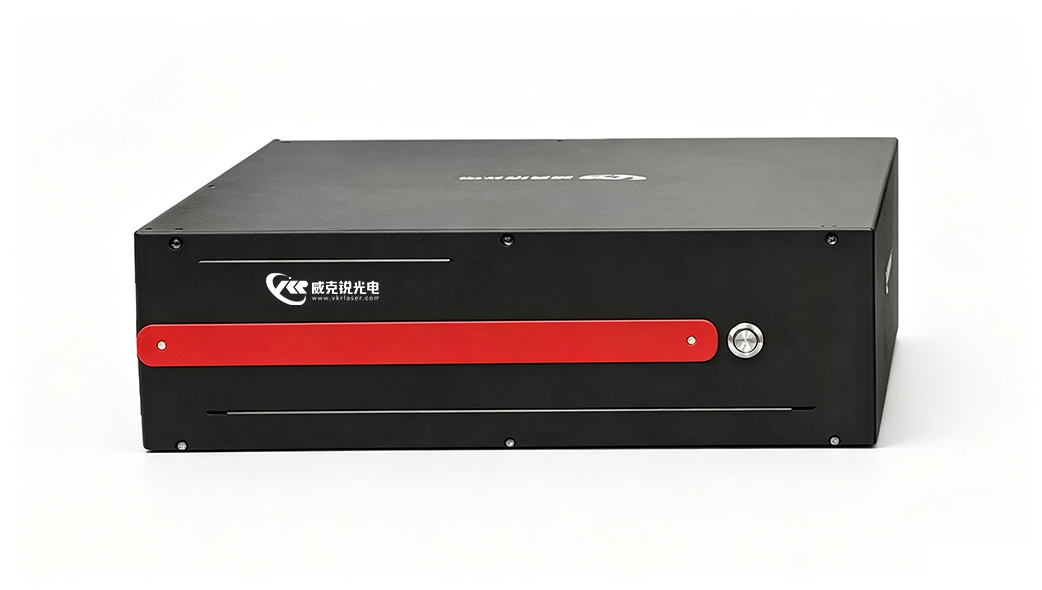
OCT spectrometer
Technical Overview
Optical Coherence Tomography
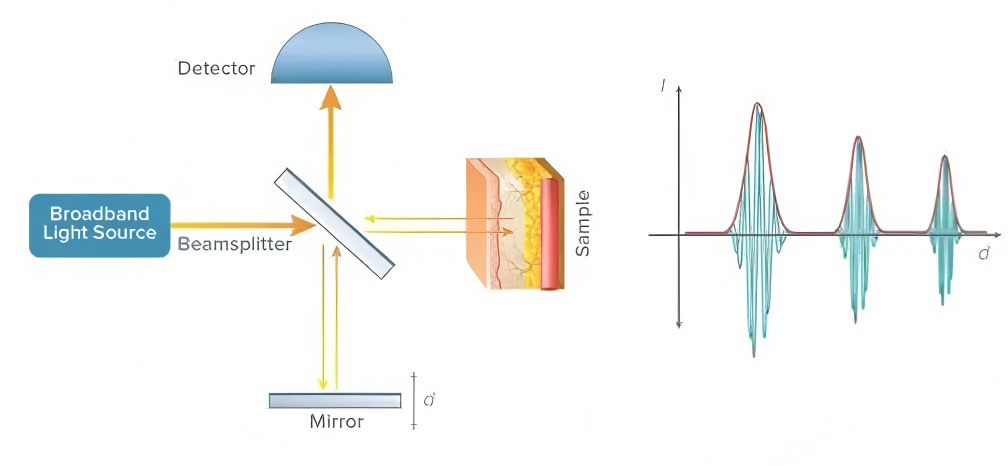
OCT is based on the principle of coherent interference of low-coherence light. Its core configuration is a Michelson interferometer, which detects the backscattered or multiply-scattered signals of the incident low-coherence light from different depth layers of the sample. Interference information is acquired through scanning and then reconstructed into two-dimensional or three-dimensional images.
In industrial applications, taking advantage of the differing reflectivity of light-transmitting plastics to near-infrared light, a low-coherence interferometer compares the reflected light with the reference light to determine the time delay and reflection intensity of the emitted light. Through Fourier transform, the structures of different layers and their distances are resolved, revealing the cross-sectional structure of the material.
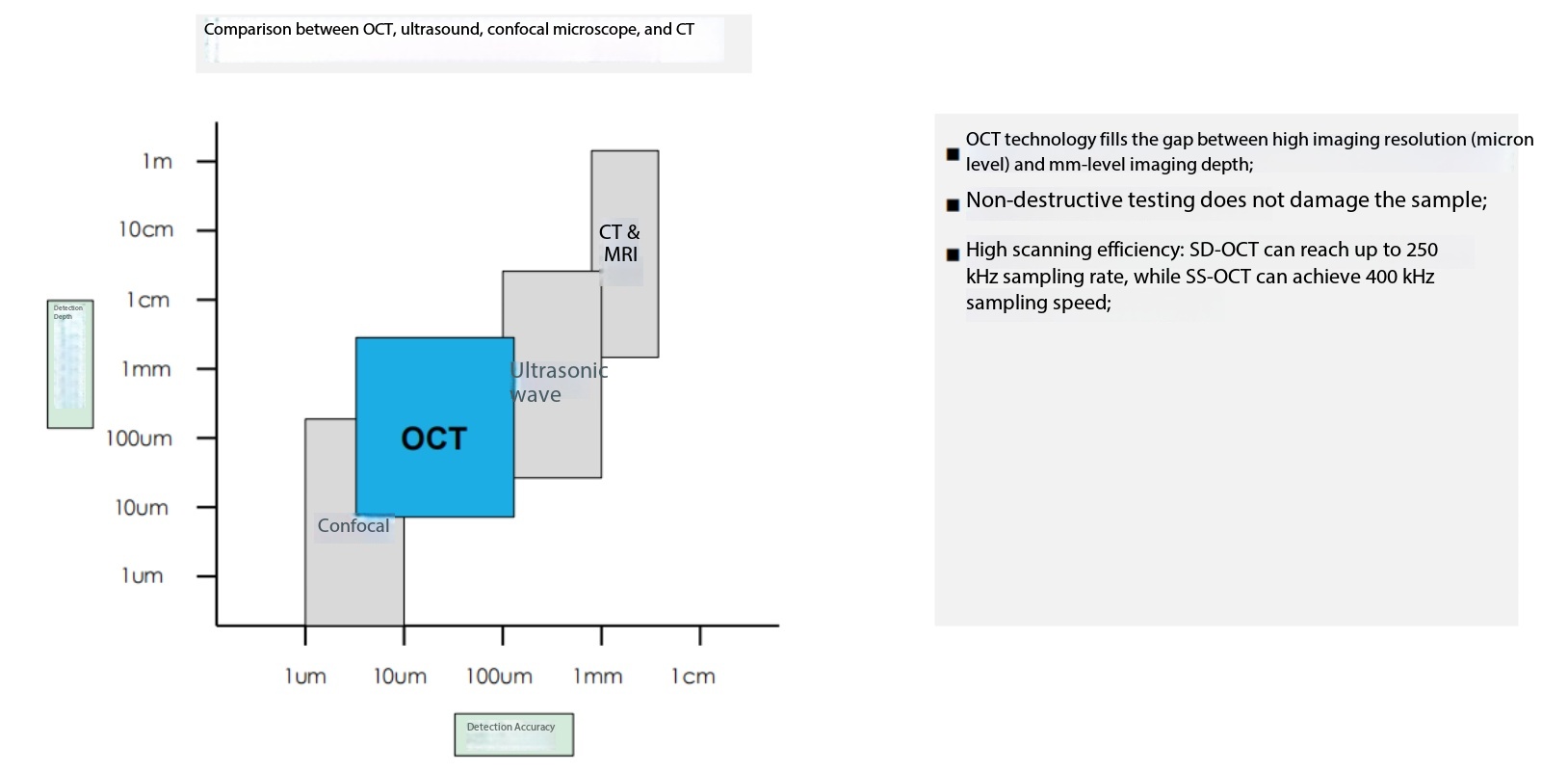
Owing to its advantages of non-contact and non-destructive operation, extremely high detection sensitivity, strong noise suppression capability, and high resolution, OCT technology holds significant application value and broad development prospects in non-destructive testing across fields such as materials science, industrial applications, and biomedicine.
Optical Principles
Case Introduction
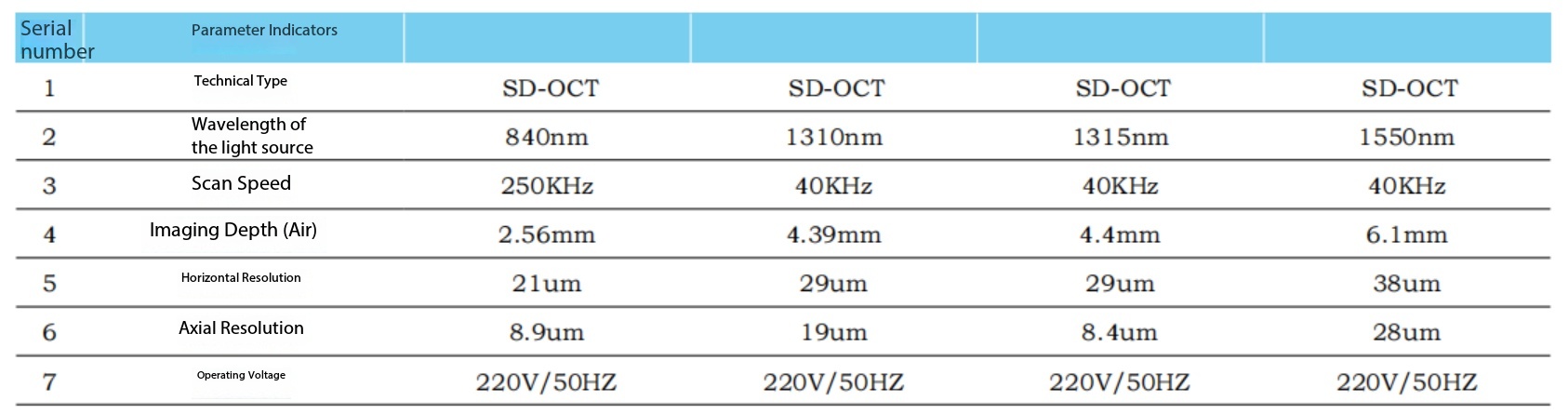
Specifications
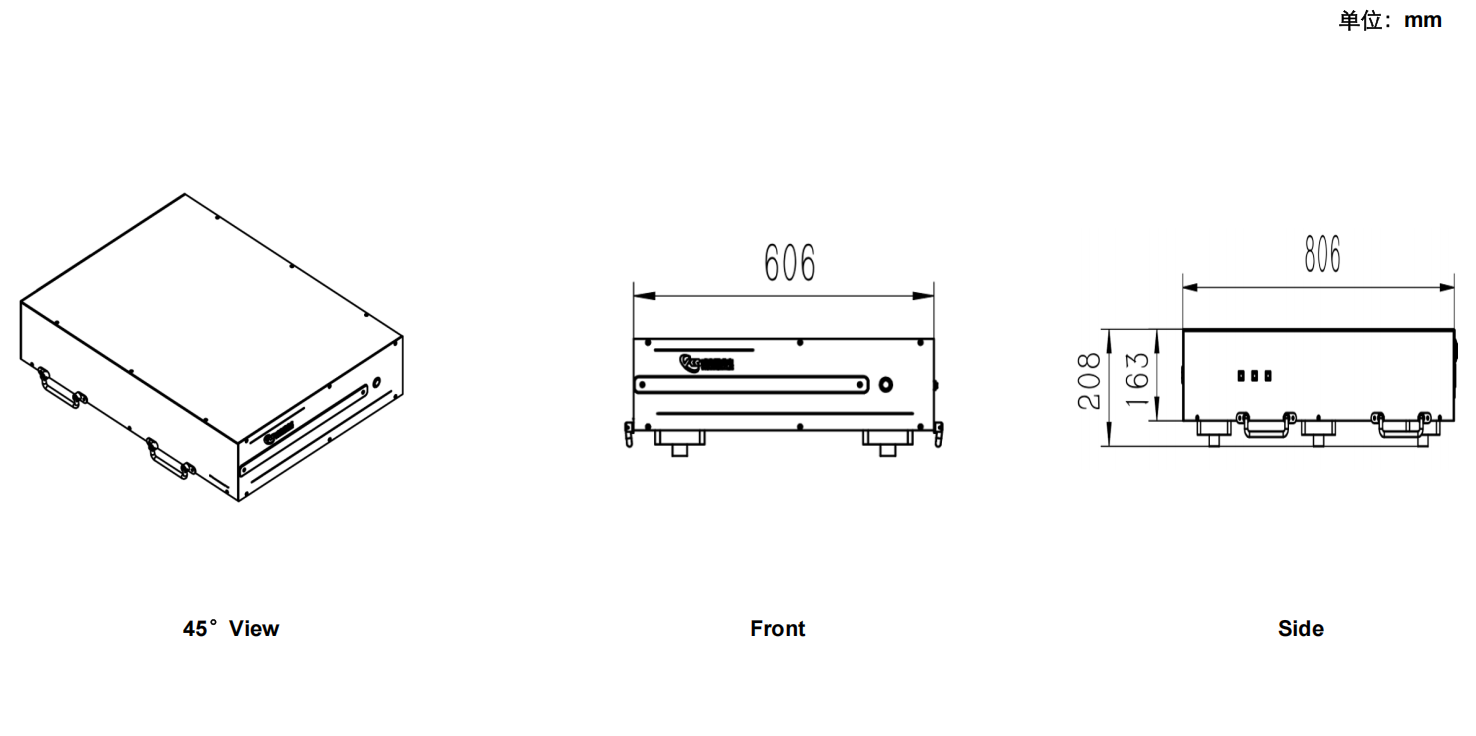
OCT Main Unit Dimensions
 Home
 Products
 Telephone
 Message


